
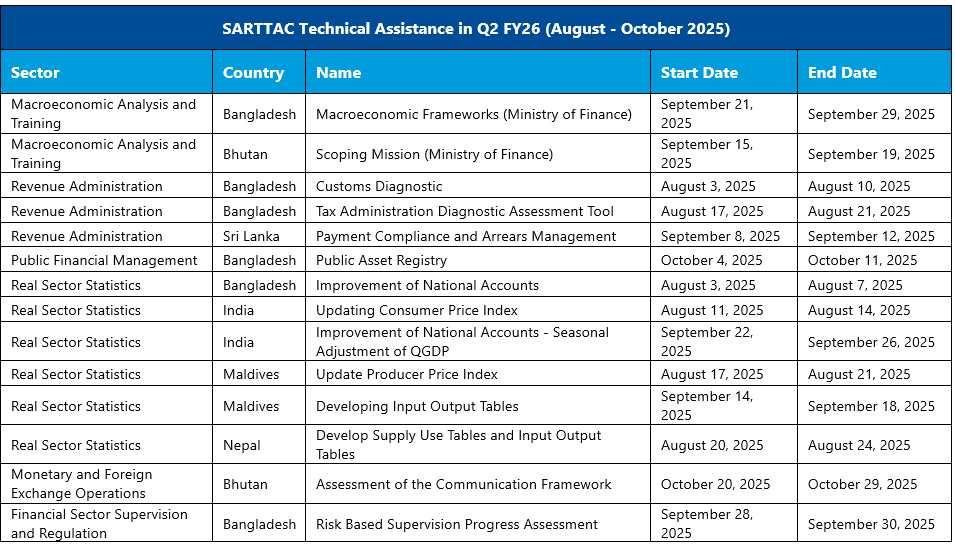
In the second quarter of FY26 (August-October 2025), SARTTAC’s CD delivery to its member countries continued to be strong. Regional and tailored national training, webinars and seminars, and extensive technical assistance (TA) were delivered. This comprised 15 TA missions and 14 training courses/workshops, at the regional and national level.
Furthermore, SARTTAC held its Ninth Annual Steering Committee (SC) Meeting on August 28, 2025 in Delhi. SC members reviewed SARTTAC CD delivery and operations undertaken during FY25, highlighted priorities and discussed the proposed SARTTAC workplan and budget for FY26, and SARTTAC’s financial position. SC members praised SARTTAC sustained and tailored CD delivery to the South-Asia region and its in-depth engagement with member countries (MCs).
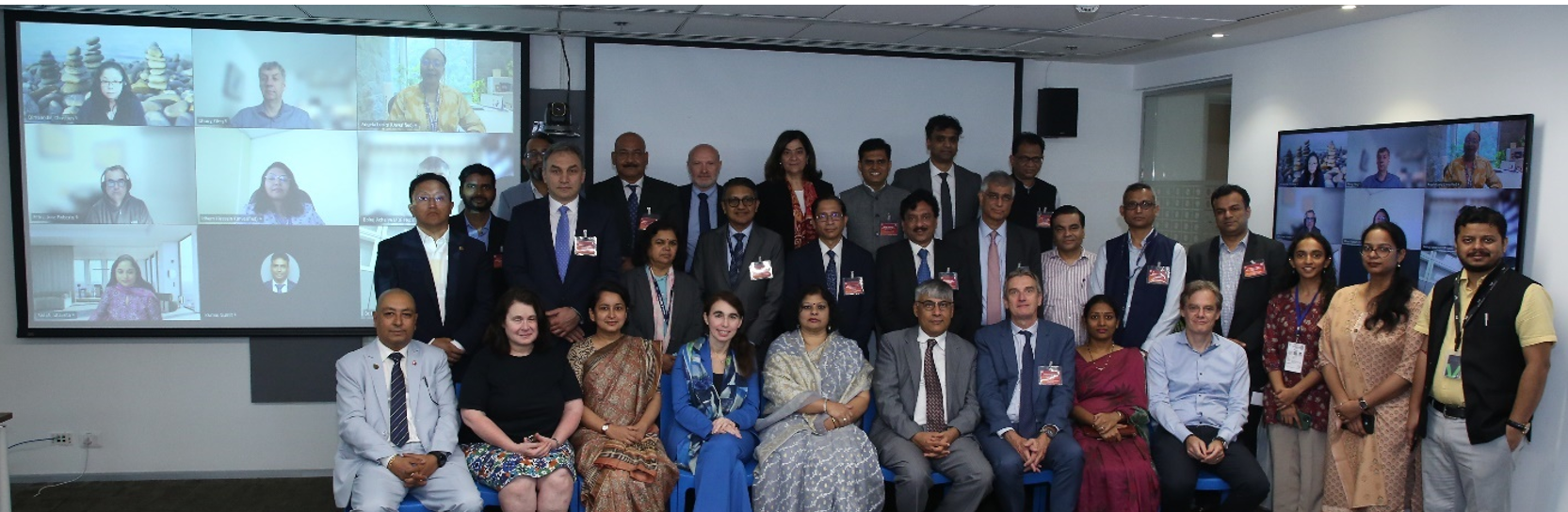 Ninth Annual Steering Committee Meeting (August 28, 2025)
Extensive outreach to MCs, development partners and other international organizations was carried out, notably in preparation to SC. Ms. Albertin, SARTTAC Director, held meetings with senior officials in the Indian Ministry of Finance, the Reserve Bank of India, SARTTAC development partners, and several stakeholders including the World Bank, United National Development Fund and Asian Development Bank to update them on SARTTAC’s work. As part of its scaled-up outreach efforts, SARTTAC expanded its online presence with the launch of its official LinkedIn page, creating a platform to share updates, engage with regional stakeholders, and enhance visibility of its work. Furthermore, SARTTAC hosted a delegation from the Asian Development Bank Institute (ADBI) in Tokyo - led by its Dean and CEO – in October 2025. Discussions explored potential collaboration and opportunities to deepen training and thematic engagement across SARTTAC’s workstreams, marking an important step toward future joint initiatives.
An award was presented to SARTTAC by the Maldives Inland Revenue Authority (MIRA) at its 15th anniversary celebrations in recognition of SARTTAC’s longstanding contribution to revenue capacity development in Maldives—a valued acknowledgment of the Center’s impact.
Regional and tailored national training, complemented by webinars and seminars, and extensive TA were delivered to member countries (MCs). Notably:
- A two-week tailored training course for mid-career Indian Economic Service (IES) officials (October 6–17, 2025) was delivered at SARTTAC, with several distinguished external guests delivering keynote lectures. Designed in collaboration with the IES cadre, the course focused on macroeconomic frameworks, monetary and fiscal policy assessment, macro-financial linkages, and external sector and debt sustainability. The course featured several distinguished speakers covering a wide array of topics. From the Indian Ministry of Finance, Dr. V. Anantha Nageswaran, Chief Economic Advisor, spoke on challenges to the Indian economy, and Dr. Arunish Chawla, Secretary, Department of Investment and Public Asset Management, led a session on outcome-based policymaking. Mr. Jean-Pierre Laudet (former Deputy Governor, Banque de France) discussed stablecoins and their implications for financial markets. Senior Reserve Bank of India (RBI) officials discussed monetary policy, state finances, and financial stability. Mr. Ranil Salgado, the IMF Senior Resident Representative for India, delivered a lecture on developments, policies and opportunities for the Indian economy. Distinguished external speakers also delivered lectures on Research and Development challenges in India, climate policy, and the impact of US tariffs.
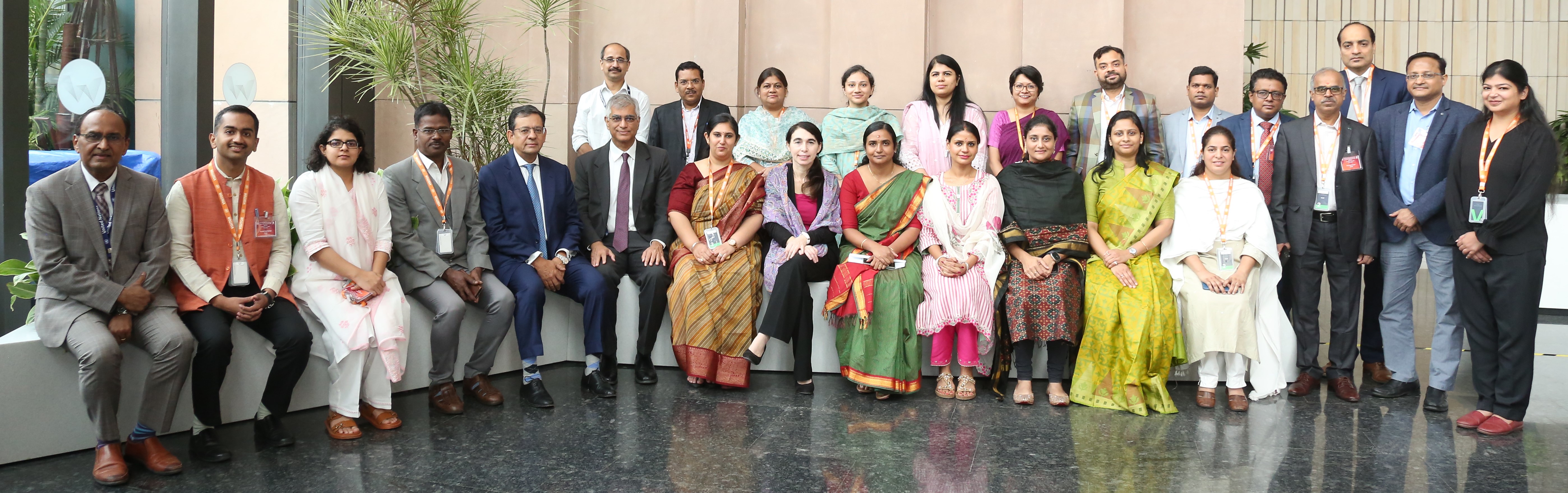 Training for mid-career Indian Economic Service (IES) officials (October 6–17, 2025)
- A new tailored national training on macroeconomic foundations was delivered to officials from the Nepal Rastra Bank and the Ministry of Finance in Kathmandu. The training focused on providing participants with the tools to assess the macroeconomic conditions of a country, including the stance of fiscal and monetary policy, financial stability, exchange rate misalignments and sustainability of public debt. The workshops were customized using Nepal’s macroeconomic data to enhance relevance for policymaking in Nepal. This was complemented by a TA mission that supported the National Statistics Office of Nepal in updating Supply and Use Tables (SUTs) as part of revising the old 2010–11 national accounts (August 20-24, 2025). More details on how SARTTAC is supporting member countries in strengthening data quality of macroeconomic statistics can be accessed here.
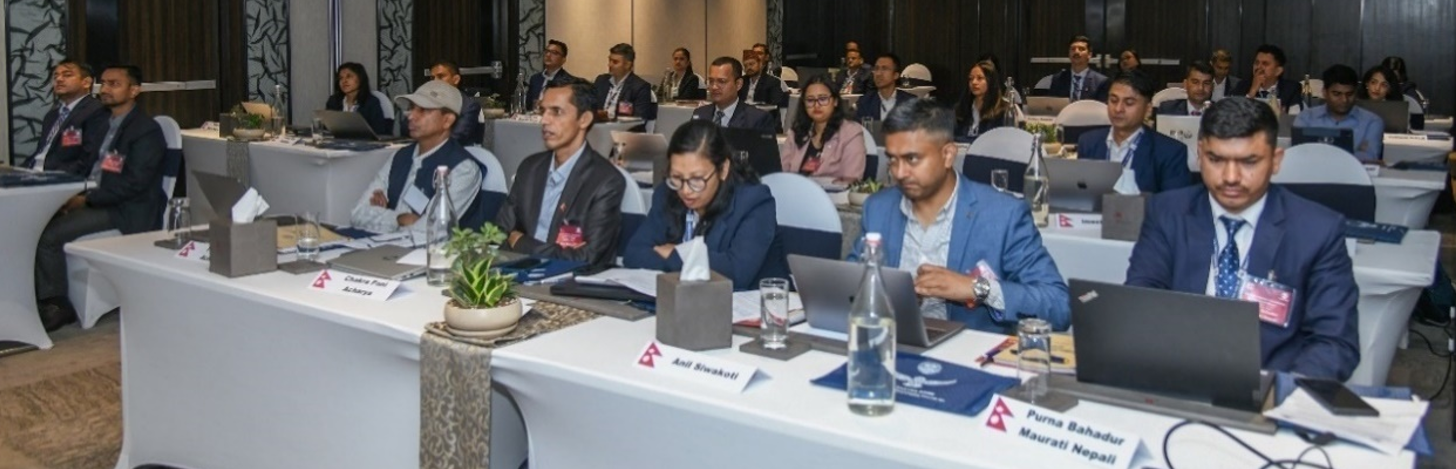 Macroeconomics Foundation training for NRB and MOF in Nepal (September 1-5, 2025)
- For the first time, a dedicated training course on Compliance Risk Management (CRM) was delivered to officials of the Central Board of Indirect Taxes and Customs (October 6-10, 2025). The course was held at the new campus of the National Academy of Customs, Indirect Taxes and Narcotics (NACIN) in Palasamudram, India. The program provided a comprehensive overview of CRM principles, covering the identification, assessment, and prioritization of risks across all four compliance pillars, as well as the development of appropriate treatment strategies. Sessions also addressed CRM governance structures, key inputs and outputs, and operational performance measures, enabling participants to understand both the theoretical concepts behind managing compliance risks and practical application.
- A tailored national course on macro foundations was delivered in Bhutan, complemented by a TA mission to strengthen the macroeconomic framework. Officials from the Royal Monetary Authority and Ministry of Finance (September 8–12, 2025) were trained in fiscal, monetary, and external sector policies analysis as well as macro-financial linkages. Following the training, a scoping mission (September 15-19, 2025) discussed Bhutan’s existing macro-forecasting frameworks, technical capacity, and inter-agency coordination at the Ministry of Finance. The mission outcomes are being used to refine and finalize a detailed action plan for strengthening macroeconomic analysis and forecasting capacity at the Ministry of Finance.
- SARTTAC sponsored an attachment program for selected officials of the Royal Government of Bhutan to the Treasury, Ministry of Finance of Georgia (September 1-5, 2025). The Bhutanese officials gained first-hand insights into Georgia’s Integrated Financial Management Information System (IFMIS) architecture, implementation stages, and operational challenges [Read more]. This was followed by two in-country engagements in Bhutan.
- SARTTAC, jointly with the IMF Fiscal Affairs Department (FAD), delivered CD to support revenue administration reform efforts in Bangladesh. A customs and tax administration assessment was carried out in collaboration with Bangladesh’s National Board of Revenue. The assessments were used to determine capacity gaps, and to develop a high-level reform roadmap for the short and medium-term. Trainings complemented the assessments to better equip officials in responding to the assessment questionnaires and to design effective reform plans during upcoming missions [Read More].
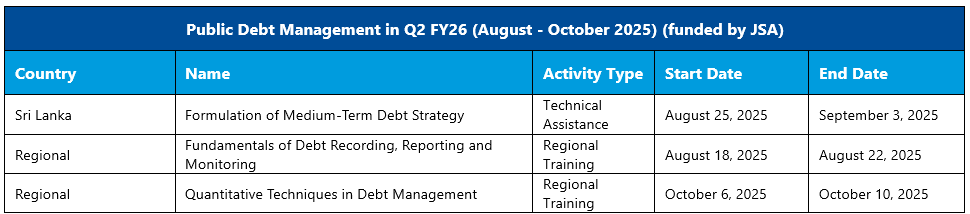
- A joint SARTTAC–World Bank mission strengthened institutional capacity within the Public Debt Management Office in Sri Lanka (August 25-September 3, 2025). The engagement aimed to strengthen analytical capability and build a stronger foundation for informed debt strategy formulation. To this end, practical Medium Term Debt Management Strategy (MTDS) development exercises, using Sri Lanka’s updated debt dataset, and on-site application of the MTDS Analytical Tool were used.
- Cross-regional webinars on digital transformation in revenue administration were delivered. The cross-regional webinar series on digital transformation in revenue administration continued, with about 100 tax and customs officials from 16 member countries across SARTTAC, Pacific Financial Technical Assistance Centre and Caucasus, Central Asia, and Mongolia Regional Capacity Development Center. Webinars on Leveraging Data Analytics for Revenue Administration (August 20, 2025) and Automating Taxpayer Services (September 24, 2025) were delivered.
- A dedicated seminar was delivered to the Indian Ministry of Statistics and Programme Implementation (MOSPI) on household distributional accounts in the System of National Accounts (SNA) (September 2, 2025).
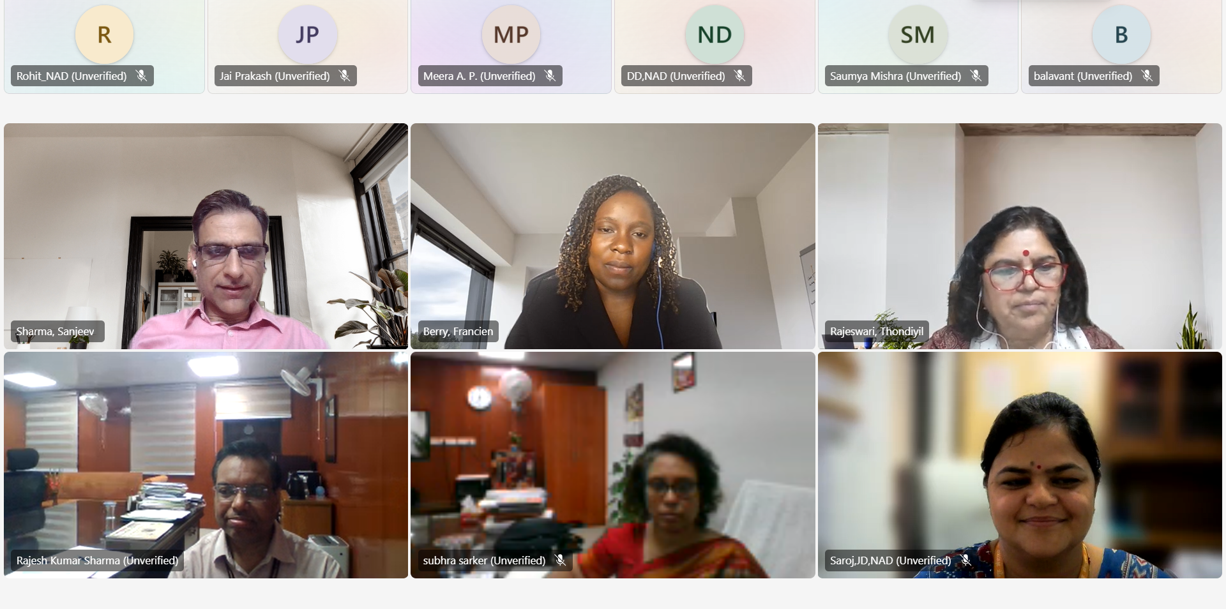 Webinar on Household Distributional Accounts (September 2, 2025)
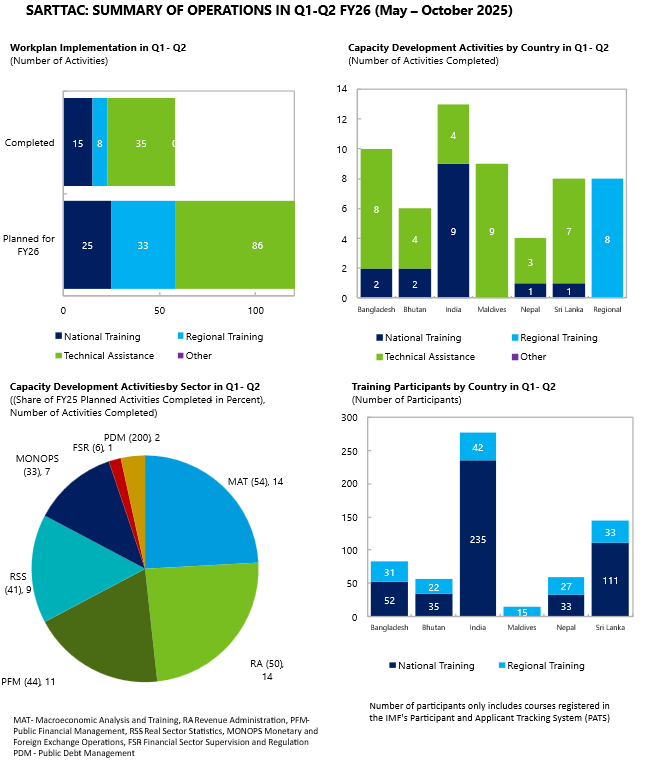
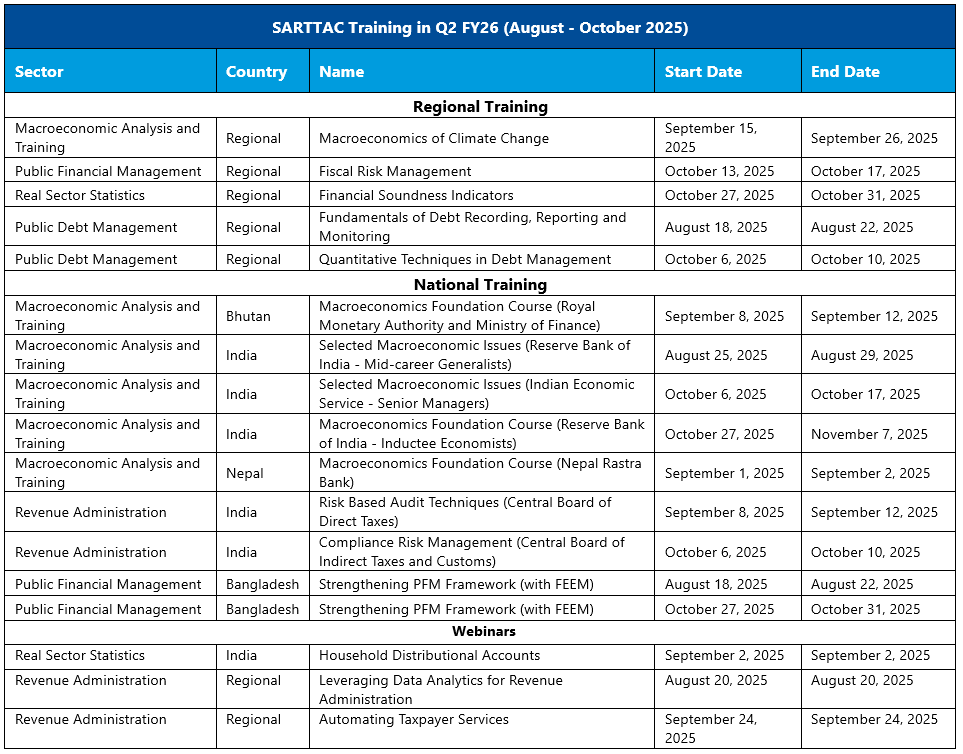
During the second quarter of FY26, SARTTAC delivered a wide range of training activities across all workstreams. This comprised 14 training courses and workshops, of which 5 regional trainings – in which officials of all SARTTAC MCs were represented - and 9 national training courses dedicated to officials of a specific country:
Tailored national trainings for Bangladesh, Bhutan, India, Nepal and Sri Lanka were delivered:
- SARTTAC’s strong partnership with the Institute of Public Finance (IPF) of Bangladesh continued with dedicated trainings on PFM issues. Two trainings for mid-level officers from various ministries and departments in Bangladesh, as part of IPF’s Fiscal Economics and Economic Management (FEEM) training, were delivered (August 18 – 22, 2025 and October 27 – 31, 2025). This focused on public financial management (PFM) concepts, including fiscal forecasting, macro-fiscal frameworks, strategic budgeting, green PFM, fiscal risk management and the role of Information technology and emerging artificial intelligence applications in PFM.
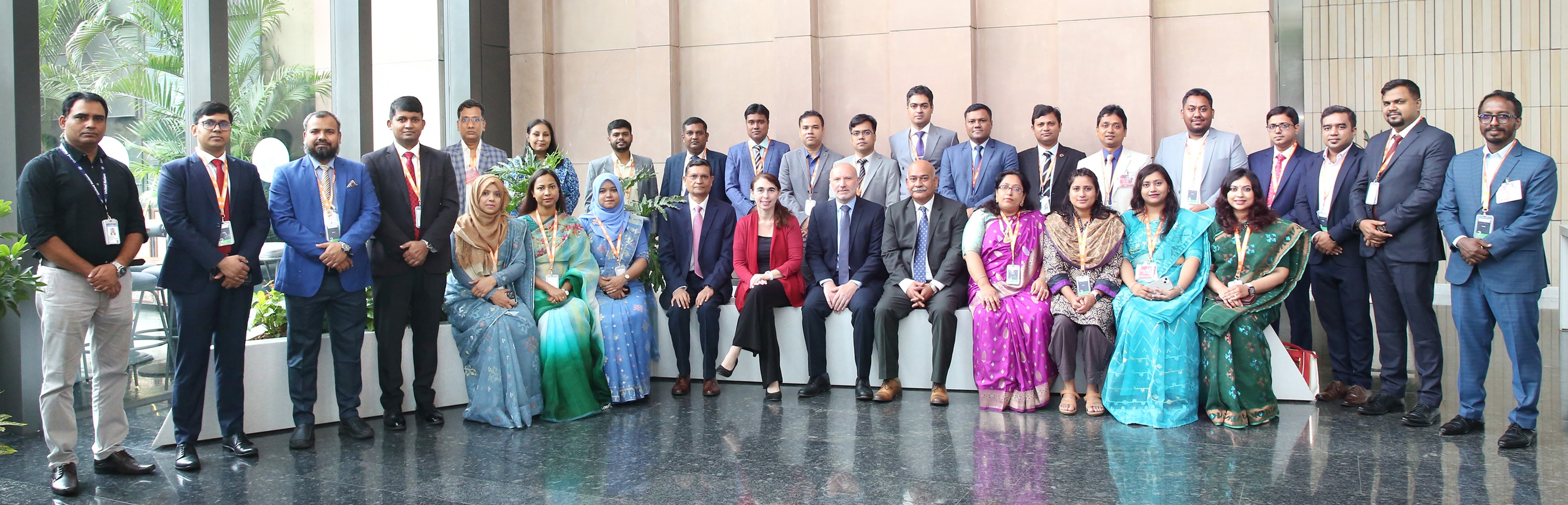 FEEM Batch 1 (August 18 – 22, 2025)
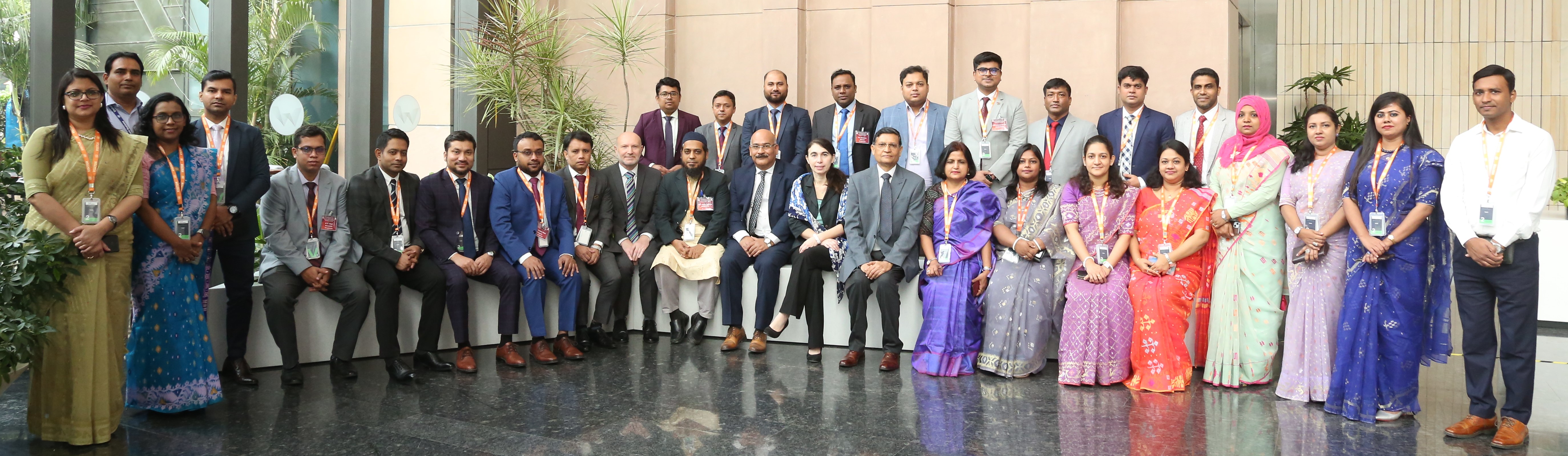 FEEM Batch 2 (October 27 – 31, 2025)
- Tailored national macroeconomic foundation training was delivered in Bhutan and for the first time in Nepal. Participants included officials from ministry of finance, the central bank, statistical offices and planning departments. Participants appreciated the comprehensive coverage of macroeconomic issues, the strong linkage between theory and policy application, and the use of a Bhutan/Nepal-focused case study.
- Five tailored training were delivered to Indian officials focusing on strengthening macroeconomic analysis and forecasting and revenue administration. In addition to the two-week course for mid-career IES officers, officials from the RBI benefitted from two macroeconomic foundation trainings. This included a one-week training (August 25 – 29, 2025) for generalists and a two-week training (October 27 – November 7, 2025) for economists. Both trainings were designed in collaboration with the RBI and used Indian data to enhance relevance and practical application. Furthemore, two dedicated trainings were delivered to Indian officials towards strengthening revenue administration. A training on risk-based audit techniques was delivered the Central Board of Direct Taxes (September 8 – 12, 2025). Furthermore, for the first time a dedicated course on compliance risk management was delivered to the Central Board of Indirect Taxes and Customs (October 6–10, 2025), at the new campus of the National Academy of Customs, Indirect Taxes and Narcotics (NACIN) in Palasamudram, India.
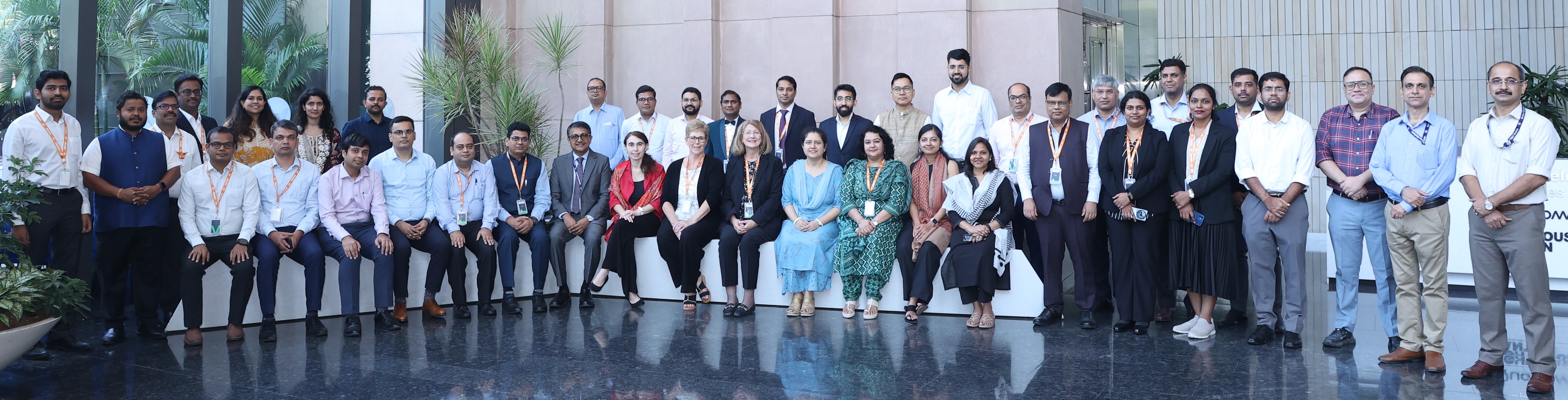 Risk-based Audit Techniques (September 8 – 12, 2025)
- In Sri Lanka, a tailored training course on payment compliance and debt management was conducted (September 8-12, 2025). The training targeted at senior and middle-level officers of Sri Lanka’s Inland Revenue Department was delivered. It introduced international good practices and focused on developing a debt management strategy and a filing and payment compliance improvement plan.
Several regional training courses were conducted, including new deliveries:
- Two new regional training courses were delivered, focusing on public debt management. The first training focused on the Fundamentals of Debt Recording, Reporting and Monitoring (August 18-22, 2025) and the second on Quantitative Techniques in Debt Management (October 6-10, 2025) [Read More].
- A regional training course on Macroeconomics of Climate Change focused on macroeconomic impact of climate change and policy options for adaptation and mitigation (September 15 – 26, 2025). Challenges and opportunities associated with transitioning to greener economic models were also discussed, including through hands-on exercises and data-driven analysis.
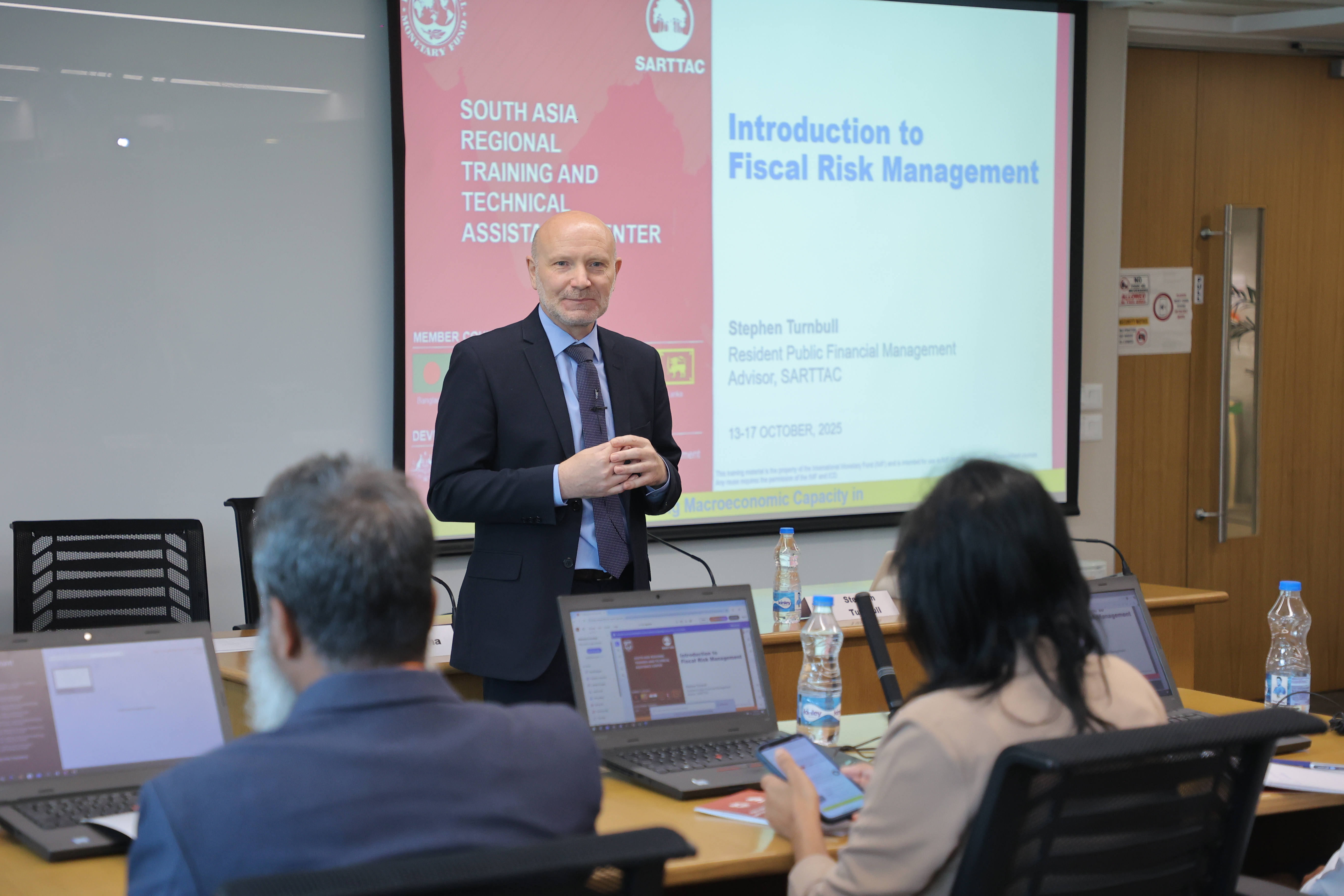
- A regional workshop on Fiscal Risk Management discussed good practices and IMF fiscal risk tools for effective risk identification and mitigation (October 13–17, 2025). The workshop brought together mid- to senior-level officials from ministries and departments of finance across South-Asia, including sub-national governments of Assam and Uttar Pradesh in India. The workshop covered key topics such as macro-fiscal risks, forecast error analysis, fiscal risk registers and statements, and risks related to state-owned enterprises (SOE), government guarantees, public private partnerships, sub-national governments, and natural disasters. Participants were introduced to IMF tools including the SOE Health Check Tool.
- A regional course on Financial Soundness Indicators (FSIs) for officials from central banks and financial supervisory agencies, was delivered in collaboration with the IMF Statistics Department (October 27–31, 2025). The course strengthened participants’ ability to use FSIs effectively in the financial sector surveillance and macro-financial analysis. The training covered key methodological and practical aspects of compiling and analyzing FSIs. Hands-on exercises helped participants apply consolidation principles and explore FSIs for deposit-takers, OFCs, NFCs, households, and real estate markets.
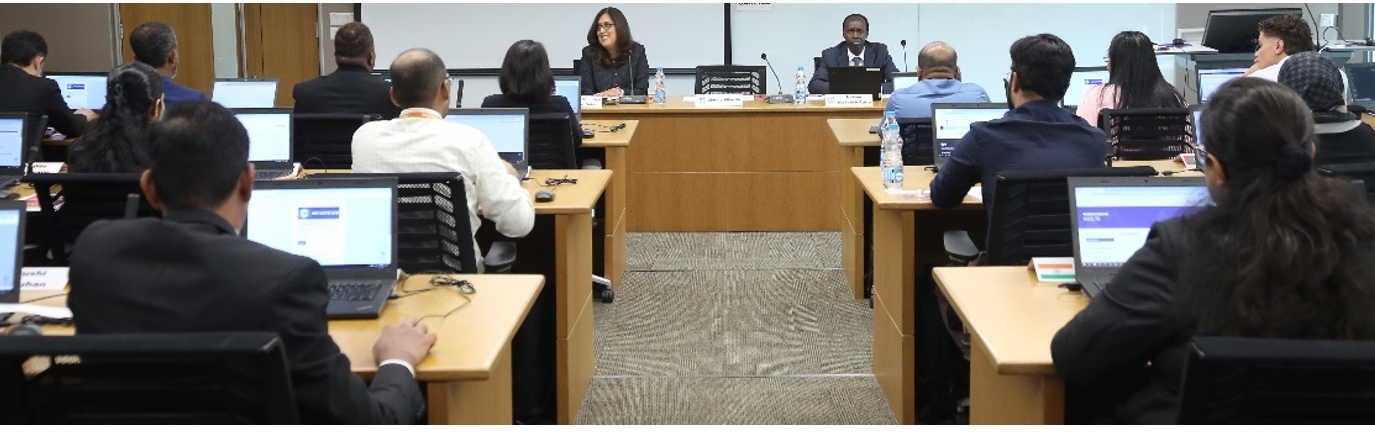 Financial Soundness Indicators training (October 27–31, 2025)

During the second quarter of FY26, SARTTAC delivered extensive TA support to its MCs. Notably, 15 TA missions across various workstreams:
- Engagement with Bangladesh was scaled-up, with six TA missions conducted. This included a joint SARTTAC – FAD mission which developed a roadmap for capacity building in customs administration (August 3–10, 2025) [Read More]. This was complemented by training to officials from the National Board of Revenue on the Tax Administration Diagnostic Assessment Tool (TADAT) methodology. In parallel, a TA mission supported the Ministry of Finance in implementing a public asset registry (September 28–30, 2025). The final TA mission under the macroeconomic framework project with the Ministry of Finance was delivered. The project goals included development of a Macroframework Foundations Tool (MFT) toolkit and training materials to strengthen forecasting capacity and ensure sustainability (September 21-29, 2025) [Read More]. Furthermore, TA missions supported the Bangladesh Bank in advancing risk-based supervision (October 4-11, 2025) and the Bangladesh Bureau of Statistics in improving GDP estimates and training on sub-national compilation (August 3–7, 2025).
- In Bhutan, two TA missions focused on strengthening the macroeconomic framework and central bank communications framework. A TA mission (September 15-19, 2025) engaged with Ministry of Finance and other agencies in assessing current forecasting tools, technical capacity, training needs and review of policy analysis systems to support the authorities in strengthening their macroeconomic framework. Furthermore, a TA mission (October 20-29, 2025) supported the Royal Monetary Authority in strengthening its communication function, improving outreach to media and the public, and outlined a roadmap for gradual implementation of monetary operations supported by clear, transparent messaging.
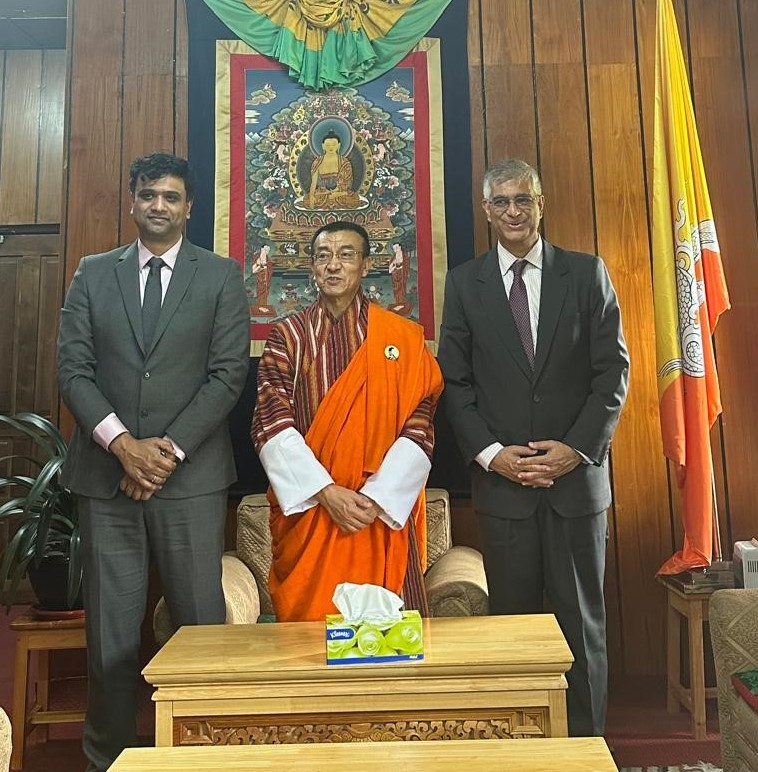
Meeting with H.E. Lekey Dorji, Finance Minister, Bhutan during the Scoping Mission (September 15-19, 2025)
- TA engagement in India, Maldives and Nepal focused on strengthening macroeconomic statistics. In India, a mission (August 11–14, 2025) worked with MOSPI to review concepts and methods for the updated Consumer Price Index (CPI), based on new expenditure data from a 2023–24 survey. A further TA mission (September 22–26, 2025) supported MOSPI in developing seasonally adjusted estimates for quarterly national accounts and improving dissemination practices. In Maldives, a mission (August 17–21, 2025) supported the Maldives Bureau of Statistics in improving price statistics, including import price indexes and CPI refinements. A further mission (September 14–18, 2025) focused on converting Supply and Use Tables (SUTs) into Input-Output Tables and provided hands-on training on their compilation and application. In Nepal, a mission (August 20-24, 2025) supported the National Statistics Office in developing SUTs as part of preparations to update the national accounts benchmark year. The mission also provided training on SUT compilation and balancing.

Bhutan: Fostering peer learning on public financial management
SARTTAC conducted an attachment program for officials from the Bhutan’s project management team on the Integrated Financial Management Information System (IFMIS) (September 1-5, 2025) to the Ministry of Finance of Georgia to foster peer-to-peer learning. The attachment provided the Bhutanese delegation with firsthand exposure to how advanced financial management systems are structured and operated. The discussions showcased how Georgia’s treasury single account (TSA) ensures centralization of all government funds and prevents inefficiencies caused by fragmented accounts. Observations of the e-treasury system illustrated how integration across e-Budget, e-Procurement, and the Central Bank’s Real Time Gross Settlement system enables seamless operations, standardized coding, and strong internal controls.
The Bhutanese delegation benefited from learning about Georgia’s experience with the adoption of international public sector accounting standards (IPSAS). The decade-long transition highlighted that reforms of this scale demand sustained political will, institutional governance, and a phased approach. The Georgian model demonstrated that a dedicated accounting standards board, rigorous gap analysis, and pilot testing were instrumental in achieving credibility and alignment with global standards. In addition to structural reforms, the delegation observed innovative practices such as the application of artificial intelligence (AI) in treasury operations. Georgia’s use of AI for anomaly detection, document processing, and cash forecasting underscored how technology can reinforce transparency and efficiency. For Bhutan, the mission validated the importance of recognizing digitalization reform in combination to having robust institutional frameworks with modern digital tools to support the successful rollout of Bhutan’s IFMIS.
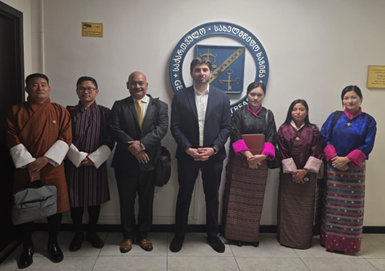
Benefitting from this exposure to the Georgia’s experience, Bhutan aims to finalize the Chart of Accounts Manual, advance TSA reforms, develop an IFMIS implementation roadmap, and explore AI-based modules for future PFM technology improvements. TA missions will be discussed to support this transition.
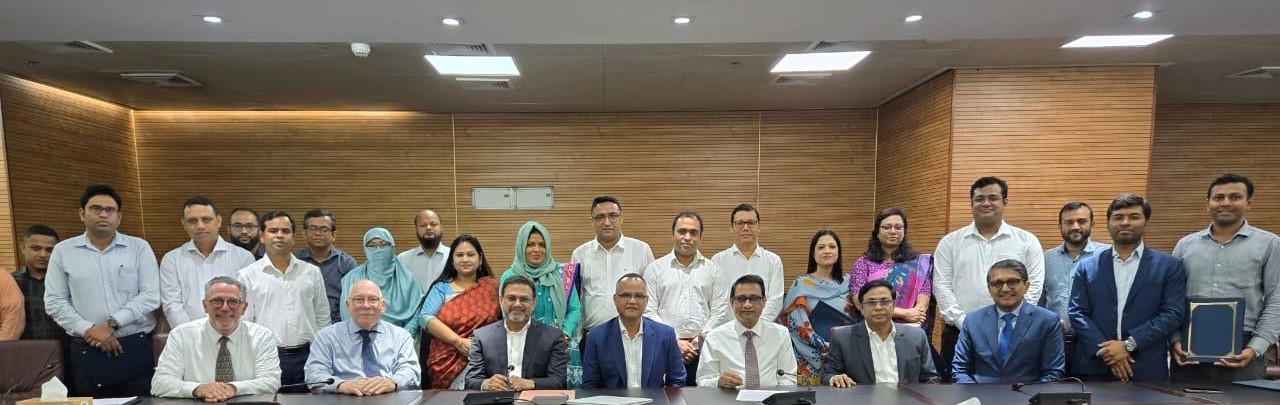
A Customs Diagnostic Assessment was conducted with the National Board of Revenue of Bangladesh (NBR), focusing on customs clearance processes, governance and staffing arrangements of the customs wing (August 3-10, 2025). Workshops were held with the Chairman and several senior officials to determine capacity gaps and develop a high-level reform roadmap for the short and medium-term.
Furthemore, a Tax Administration Diagnostic Assessment Tool (TADAT) training (August 17-21, 2025) was delivered to officials of the NBR, in preparation for a follow-up TADAT assessment scheduled later in the quarter. The training covered the nine TADAT performance outcome areas (POAs), the scoring methodology and the data requirements of the pre-assessment questionnaire. Participants included income tax and value added tax wings officers. Interactive sessions and practice questions facilitated understanding, creating a strong foundation for an accurate assessment.
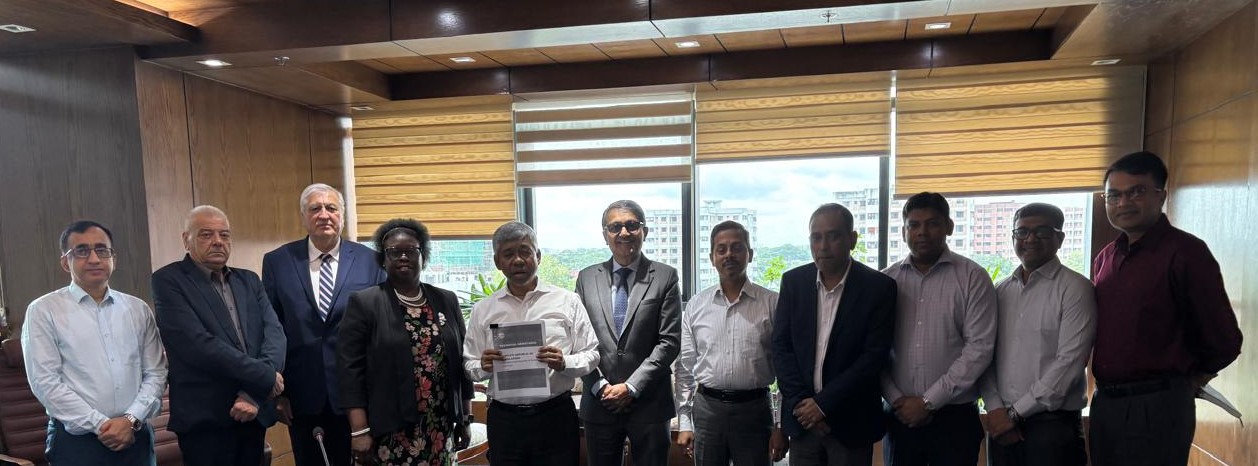
The follow-up TADAT assessment (October 5-20, 2025) of Bangladesh’s tax administration system was conducted (the previous assessment was completed in 2017). The team included also included representatives from the World Bank and the Asian Development Bank, and the TADAT Secretariat. The assessment helped in identifying strengths and areas for performance improvement by NBR. A follow-up engagement with the country authorities is planned for the last quarter of FY26 to support the authorities in identifying priority reform areas.
A joint SARTTAC/IMF Institute for Capacity Development (ICD) project supported building and institutionalizing a new customized macroeconomic framework at Ministry of Finance of Bangladesh. The project, with the Finance Division (FD) of the Ministry of Finance started in early 2023 and concluded with the last TA mission in September 2025. It enhanced Bangladesh’s capacity for macroeconomic forecasting and policy analysis and improved the medium-term macroeconomic framework (MTMF) that feeds the budget process and fiscal strategy planning. The project has also helped Bangladesh in meeting the reform target under the ongoing ECF/EFF/RSF program of incorporating macro-fiscal risks from climate change and publishing it in a Medium-Term Macroeconomic Policy Statement. Strong leadership and ownership from the FD, dedication of the core team and effective co-ordination with the IMF Fiscal Affairs Department and other CD providers (like the World Bank) were key drivers of success of the project.
The Macro-framework Foundations Tool (MFT) and auxiliary toolkits for all major medium-term macroeconomic forecasting rounds have been institutionalized. Authorities are now using the MFT as their primary tool for the MTMF presented to policymakers and published in publicly available medium-term macroeconomic policy reports. The tool has also helped the core team in responding to requests for scenario analysis and provide an economic narrative to support their analysis. In addition, auxiliary tools like the IMF’s Debt Dynamics Tool, Climate Macro-framework Toolkit and a nowcasting module have been integrated with the MFT to support macroeconomics policy analysis and risk-management.
Capacity building supported the sustainability of the MFT. The core team is now independently operating, maintaining and customizing the MFT. Training materials, including user manuals and videos produced during the project have facilitated the rapid onboarding of new team members and continuity, mitigating the large turnover challenges in the FD.
Coordination within the FD and across agencies was enhanced. The involvement of different Wings of the FD in the MTMF processes has led to greater coordination on inputs to the MTMF and facilitated the use of the MTMF outputs in the work of the other Wings. Operating a comprehensive and consistent macro-framework has allowed the core team to be able to assess the consistency of forecasts across sectors and hold discussions on forecasts produced by other agencies during discussions, including the Bangladesh Bank and the IMF country team.
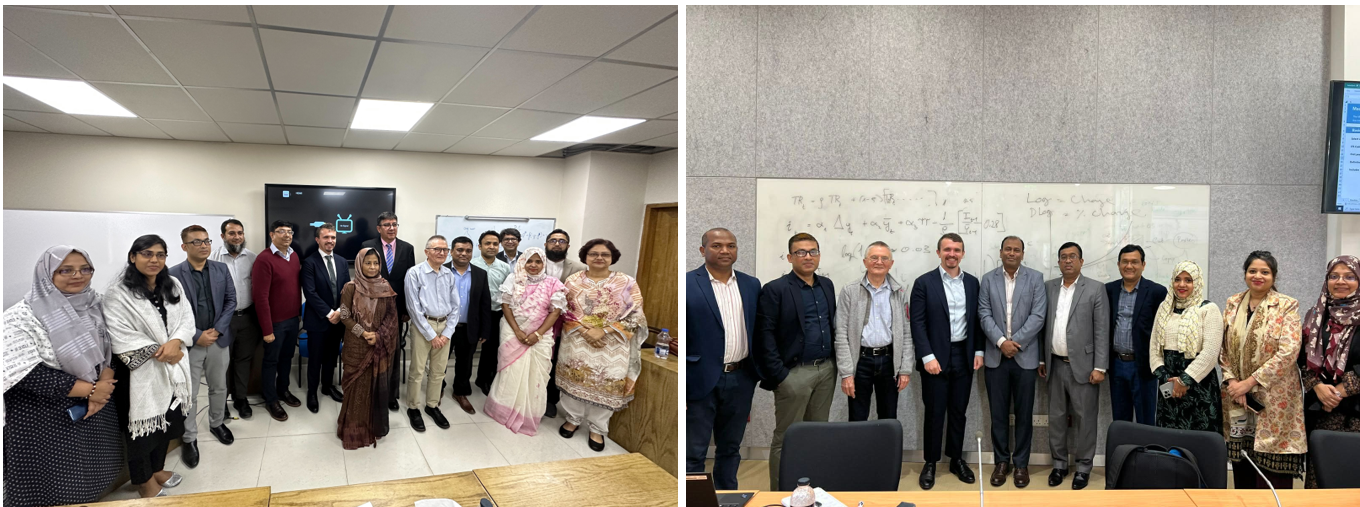 The IMF team with officials from the Finance Division of the Ministry of Finance
SARTTAC delivered its first regional training program on Debt Recording, Reporting, and Monitoring to strengthen institutional capacity in effective public debt management through improved debt data practices aligned with sound debt management principles. The training (August 18-22, 2025) covered core practices in debt recording, reporting and monitoring processes that underpin effective debt management and informed policy decisions. It highlighted the importance of publishing timely, accurate, and comprehensive debt statistics, such as through regular debt bulletins and reports, to enhance transparency, improve investor confidence, and support market development.
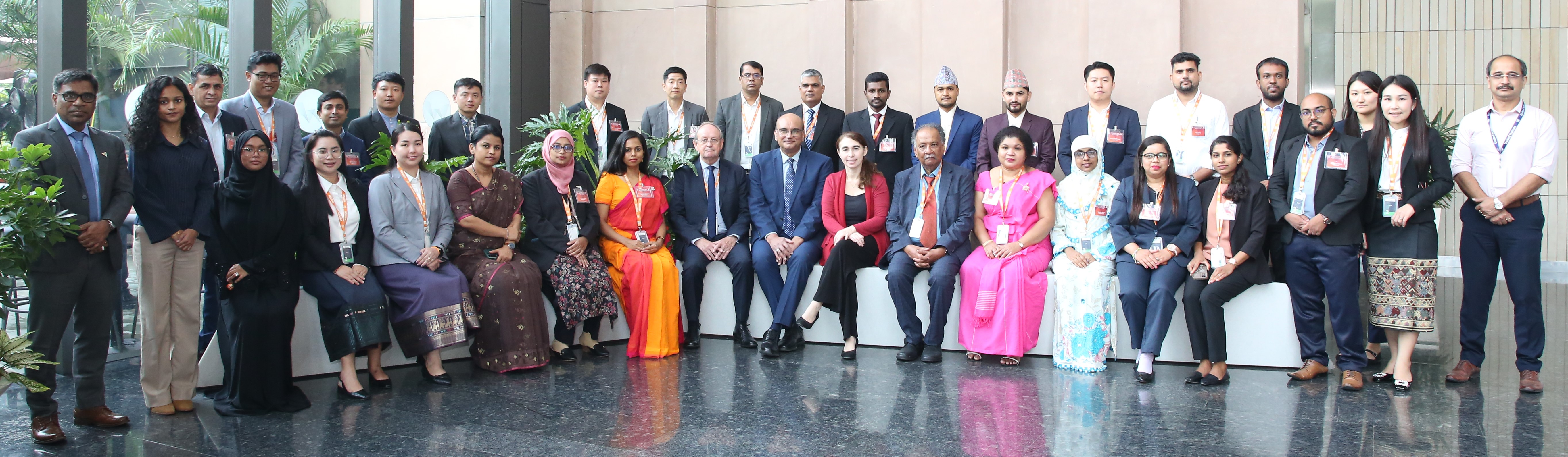 Fundamentals of Debt Reporting and Monitoring (August 18 – 22, 2025)
SARTTAC also delivered a new regional training program on Quantitative Techniques in Debt Management to further strengthen its support to member countries in advanced analytical areas. The training course (October 6-10, 2025) focused on enhancing participants’ technical capacity in fixed-income analytics, risk assessment, and the formulation of robust debt management strategies. The training provided practical, hands-on exposure to key quantitative concepts, including the pricing of marketable government securities, the cash-flow characteristics of common debt instruments, and the calculation of yields, modified duration, and other core risk metrics. Participants also learnt how to construct basic yield curves using Excel-based curve-fitting techniques. In addition, the course introduced the mechanics of liability-management operations—such as debt buybacks, reverse auctions, and switch auctions—and explained how these tools can be used to actively manage redemption profiles. The program also covered the use and pricing of financial instruments relevant to public debt managers, including repos and interest-rate and exchange-rate swaps.
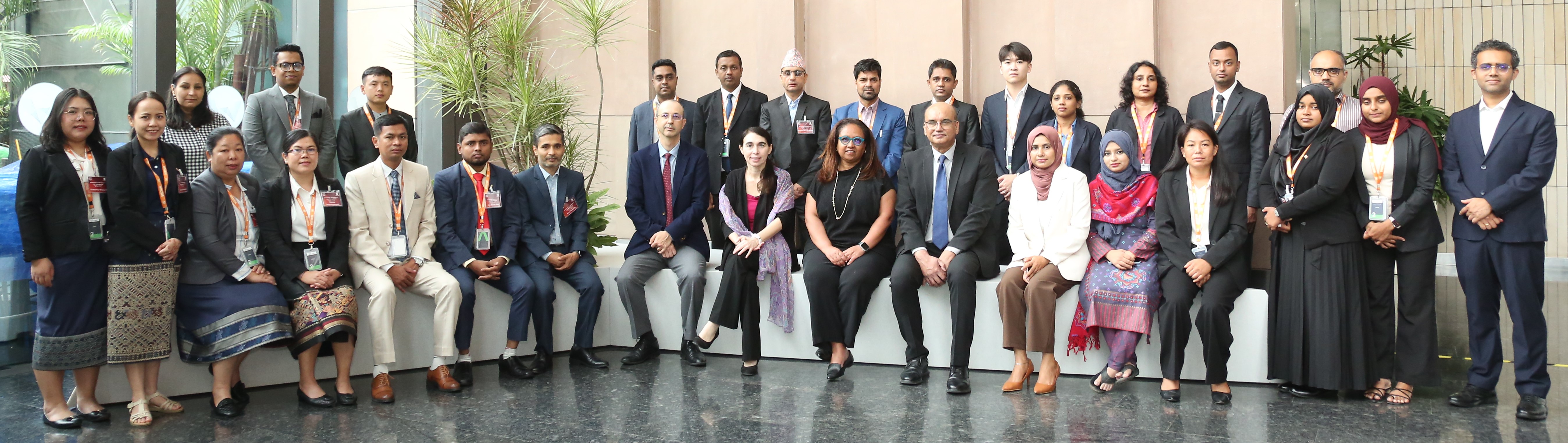 Quantitative Techniques in Debt Management (October 6- 10, 2025)
Both trainings brought together officials from Debt Management Offices and Central Banks across the six SARTTAC member countries as well as Lao PDR, providing a valuable platform for peer learning and regional exchange.
In the second quarter of FY26, SARTTAC engagement with MCs strengthened the compilation and dissemination of GDP data according to international statistical standards and updating price indexes. SARTTAC delivered six TA missions to four of its MCs:
- In Bangladesh, TA supported the improvement of GDP statistics through the review of annual GDP estimates and provided conceptual framework and compilation methods for developing regional GDP based on international guidelines.
- In India, TA supported the use of appropriate statistical techniques in compiling quarterly GDP data and better compilation techniques for CPI. Furthermore, dedicated seminars on distributional accounts and its measurement framework and valuing household unpaid work were delivered to the MOSPI.
- In Maldives, TA supported expanding producer price index (PPI) coverage and developing input-output tables (IOT). An expanded PPI and dissemination of Export-Import Price Indices will enhance the reliability of inflation data and improve the availability of deflators for the national accounts. Furthemore, TA supported developing IOTs, which constitutes an important tool for macroeconomic analysis.
- In Nepal, TA supported development of supply use tables in preparation for GDP rebasing and improving the quality and consistency of national accounts
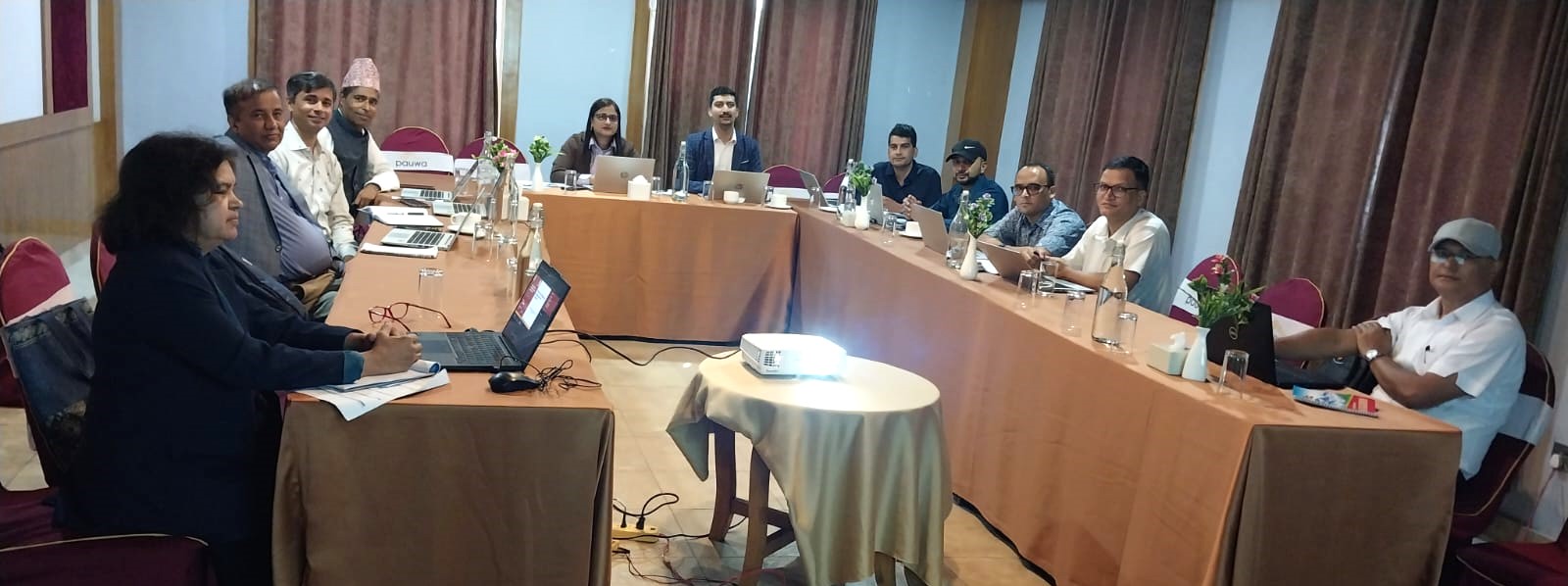 SARTTAC TA mission on Supply Use Tables in Nepal (August 20-24, 2025)


More articles from the same issue
A Focus on Technical Assistance
- Bhutan: Fostering peer learning on public financial management
- Collaboration with National Board of Revenue of Bangladesh
- Bangladesh: Strengthening Macroeconomic Framework
- New Regional Trainings on Public Debt Management
- Strengthening Macroeconomic Statistics Data Quality in South Asia
- Summary of Operations in Q1-Q2 FY26
- Training and Webinars
- Technical Assistance
- Activities under the Public Debt Management Program funded by the Japan
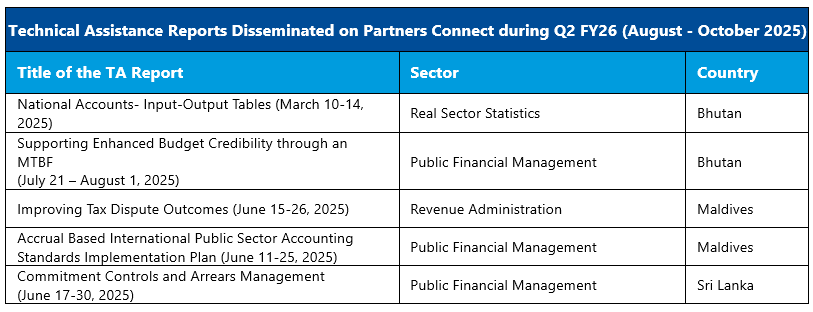
- Technical Assistance Reports Disseminated on Partners Connect during FY26 Q2
- SARTTAC Website
- Staff Members
- Follow @IMFSARTTAC on Facebook
- Follow @IMF-SARTTAC on LinkedIn
- Follow @SARTTAC on X
Previous Issues <
